
Business Bank Accounts: Key Features, Fees, And Eligibility Requirements Explained

Account types and account feature considerations for business bank accounts
Business account types may include transactional checking, savings or deposit accounts, merchant or payment processing arrangements, and specialised cash management facilities. Transactional accounts typically prioritise frequent deposits and withdrawals and may provide immediate access through debit cards and electronic transfers. Deposit accounts may limit transaction frequency in exchange for modest interest accrual. Merchant-related accounts connect sales channels to settlement processes and can include chargeback handling. When evaluating features, organisations often map expected cashflow patterns and payment methods to the account’s transaction allowances and service set.
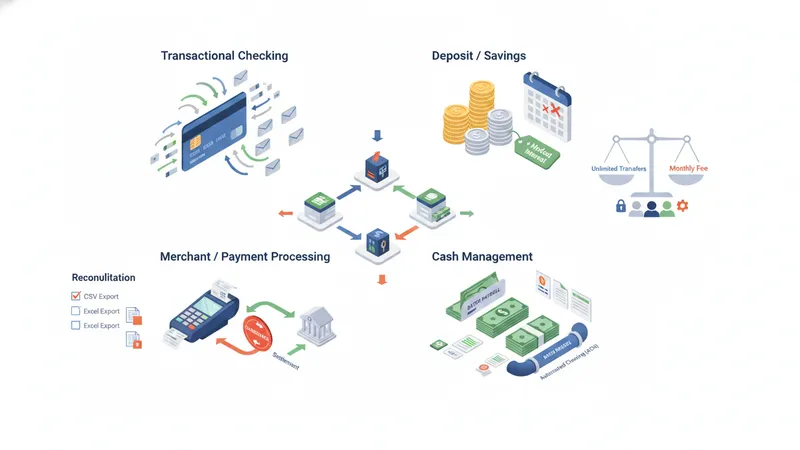
Feature trade-offs often involve accessibility versus cost. Accounts that permit unlimited electronic transfers and free deposits may carry higher monthly maintenance fees, while low- or no-fee accounts may impose per-transaction charges beyond a modest allowance. Other feature areas include multi-user access controls, reconciliation tools, export formats compatible with accounting software, and batch payment capabilities for payroll or supplier payments. Considerations may include whether the account supports automated clearing systems commonly used in the region and whether card acceptance or integrated invoicing is offered.
Operational details such as cut-off times for same-day transfers, settlement periods for card payments, and limits on cash deposits can affect cashflow management. Some institutions provide tiered plans where features expand with a higher fee, which may suit businesses with growing transaction volumes. In assessing options, reviewing sample fee schedules and service level descriptions may clarify which account type aligns with typical monthly inflows and outflows and the administrative effort required to reconcile transactions.
Many businesses weigh the convenience of a single provider offering both transactional and merchant services against the flexibility of using specialist providers for particular functions, such as third-party payment gateways. Choosing an account type can also influence how surplus funds are managed—separating working capital into a deposit account may support short-term interest generation while keeping liquidity accessible. These considerations may guide the selection of an account that balances operational needs with predictable cost patterns.