
Car Injury Law Firms: How Legal Representation May Help After A Vehicle Accident

Evidence Collection and Documentation in Car Injury Law Firms: How Legal Representation May Help After a Vehicle Accident
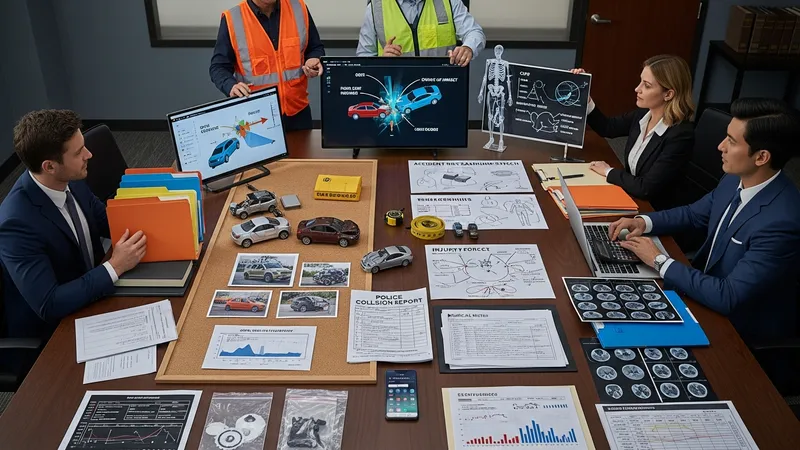
Evidence collection is a technical and methodical part of post-accident legal work. Law firms often assemble diverse sources of proof, including police collision reports, photographs of vehicles and scene conditions, maintenance records, and electronic data from vehicles or mobile devices. They may coordinate with expert witnesses—such as accident reconstructionists or biomechanics specialists—to interpret vehicle dynamics, impact forces, and injury mechanisms. The inclusion of expert analysis can clarify disputed points like point of impact or acceptable speeds under prevailing conditions.
Medical documentation commonly anchors damage assessments and can include emergency room notes, follow-up care records, diagnostic imaging, and bills. Firms typically seek to organize treatment timelines and note gaps in care that may require explanation. Where applicable, vocational or economic experts can assist in documenting lost earnings, reduced earning capacity, and projected future care costs. Clear, contemporaneous records generally serve as the basis for articulating economic losses during negotiation or trial.
Digital evidence increasingly plays a role in vehicle-accident cases. Dashcam footage, smartphone location data, and vehicle telematics can provide objective timelines or speed estimates. Legal teams may request such data early because it can be overwritten or deleted. When handling digital materials, firms often follow procedures to preserve metadata and maintain admissibility, documenting how files were obtained and ensuring continuity to withstand evidentiary scrutiny.
Chain of custody and admissibility are practical concerns for introducing evidence in court. Firms frequently document how each item was collected, who handled it, and where it was stored. For physical evidence like damaged parts or electronic modules, preservation protocols can be important if the item will be examined by opposing experts. Thoughtful documentation practices may not guarantee a particular result but can increase the likelihood that evidence will be considered in settlement discussions or by a factfinder.