
Fall Alert For Seniors: How Personal Alert Systems Work At Home And Outdoors

Practical Considerations: Maintenance, Costs, and Use Cases
Routine maintenance supports reliable operation. Recommended practices include testing devices at prescribed intervals, checking battery charge or replacement schedules, and confirming firmware updates are applied where applicable. Wearable positioning and fit should be checked so that buttons remain reachable and sensors are not obstructed. Caregivers often find that scheduling a monthly device check and documenting maintenance steps helps maintain readiness without overcomplicating routines.
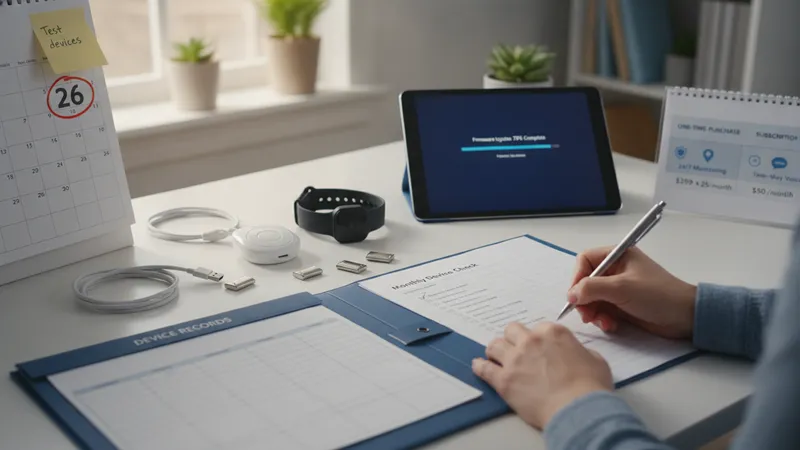
Cost structures vary across device and service combinations. Some systems function with a one-time hardware purchase and optional monitoring subscription; others bundle hardware and monitoring into a recurring fee. Fees may be structured monthly or annually and may depend on included features such as 24/7 monitoring, GPS capability, or two-way voice. Because pricing patterns differ by provider and region, users typically evaluate both upfront and ongoing costs and match them to the level of coverage and response model they prefer.
Use cases illustrate how different people may prioritize features. For those who spend most time at home, a simple base-station plus pendant with two-way voice may meet needs. Individuals who are active outdoors or who split time between multiple residences may prioritize GPS-enabled wearables or smartphone-based solutions for continuous location. For people with higher fall risk who live alone, automatic fall detection combined with professional monitoring may be considered as an additional layer, recognizing that automatic detection has sensitivity trade-offs and cannot detect all incidents.
Adoption considerations include training and acceptance. Familiarity with the device, routine testing, and inclusion of the person in decisions about contacts and escalation often improve consistent use. Caregivers and users may review privacy settings, discuss preferred response paths, and practice test alerts together to build confidence. Thoughtful selection of features aligned with daily life and realistic expectations about device capabilities helps set an appropriate balance between preparedness and practical use.