
Fiber Internet: Understanding Service Options And Connection Types

Speed, bandwidth, and real-world performance factors
Advertised bandwidth tiers describe maximum throughput under ideal conditions, but real-world performance can vary depending on several factors. Symmetric speeds—equal upload and download rates—are often achievable when fiber terminates at the premises and the provider’s core supports symmetric provisioning. Where fiber is shared (for example, in certain PON split ratios) or where copper is used for the last segment, peak throughput may be subject to contention during busy periods. Latency is generally lower on all-fiber paths compared with extended copper segments, but routing and peering arrangements in the broader internet path also contribute to end-to-end delay.
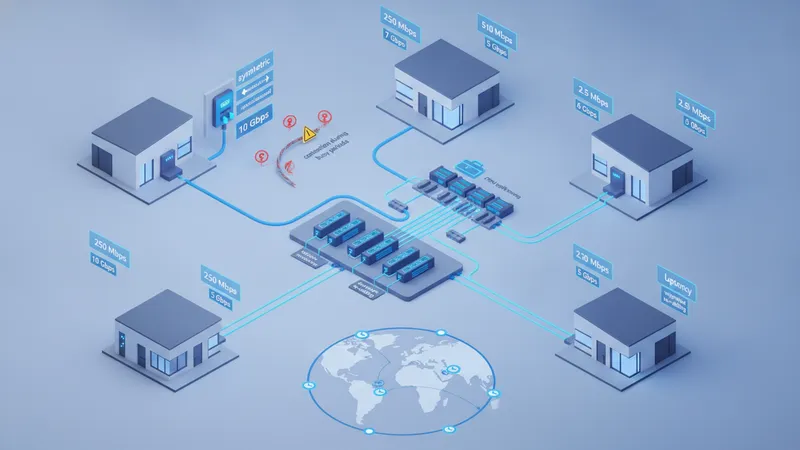
Typical plan ranges for fiber deployments may span from sub-gigabit packages to gigabit-class tiers and, in some areas, multi-gigabit offers such as 2.5 Gbps, 5 Gbps, or 10 Gbps. These tiers often depend on the provider’s equipment and the modulation schemes supported by ONTs and central office gear. When fiber reaches the premises, upgrades to higher tiers can sometimes be implemented via configuration changes or a single equipment swap rather than physical re-cabling, which may make higher-speed options more practical over time.
Network congestion, local wiring quality, and in-premises equipment can each affect observed speeds. Shared Wi‑Fi performance, for instance, can limit throughput independent of the wired service rate; using wired Ethernet connections typically provides more consistent results for speed tests. Providers may also apply traffic management policies or rate-limiting for certain services; reviewing service documentation can clarify whether any such policies apply and how they might influence typical usage patterns.
For end users, matching bandwidth expectations to typical household or business usage patterns is useful. High-bandwidth activities—such as multiple simultaneous 4K video streams, large file uploads, or cloud backups—can benefit from symmetric and higher-capacity links, while less demanding use cases may not require the same tier. Considering both peak speed needs and concurrent device counts helps frame which connection types and architectures may best align with operational requirements.