
Google Business Automation: Streamlining Workflows With Integrated Tools

Data collection, reporting, and monitoring for business automation
Automations typically generate data that can inform operational decisions when collected and reported consistently. Key data points often include timestamps of triggers, status of executed steps, response latencies, and counts of successful versus failed actions. Aggregating these metrics into dashboards can reveal patterns such as peak message volumes or frequent API errors. Reporting frameworks frequently separate raw event logs from aggregated summaries so analysts can both diagnose specific incidents and observe long-term trends in automation performance.
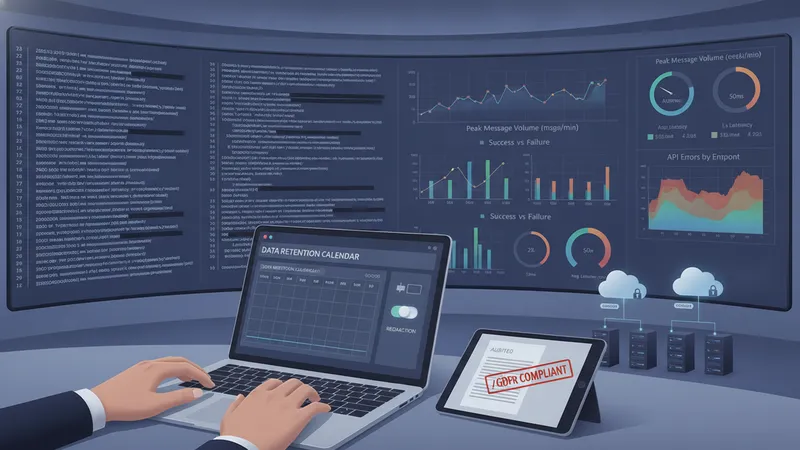
Privacy and data minimization are relevant when automating user-facing interactions. Systems often limit stored personal data to what is necessary for resolution or reporting and implement retention policies to remove data after a defined period. When automation copies customer messages into internal systems, teams may apply redaction or hashing for sensitive fields. Compliance considerations typically advise documenting data flows and ensuring that any third-party processors involved in automation meet applicable privacy expectations and contractual requirements.
Monitoring and alerting strategies commonly include health checks, error-rate thresholds, and anomaly detection. Health checks may perform representative actions at scheduled intervals to confirm end-to-end functionality, while error-rate thresholds trigger investigation when failures exceed normal variability. Anomaly detection can surface unexpected spikes in failed API calls or processing time. Alerts usually direct information to appropriate operational teams and include contextual data such as recent logs and affected entities to accelerate diagnosis.
Data quality practices often accompany reporting implementations. Input validation, duplicate detection, and reconciliation jobs help maintain consistent records across systems. Reconciliation processes may compare counts between the source profile and the internal database to detect missing updates. Periodic reviews of transformation rules and mapping logic can prevent gradual divergence as external APIs evolve. These practices support reliable reporting and reduce the frequency of manual corrections that automation might otherwise propagate.