
Hot Water Heater Repair: Understanding Causes Of Leaks And Inconsistent Temperature

Maintenance practices tied to reducing leaks and temperature problems
Regular maintenance may reduce the incidence of both leaks and temperature irregularities by addressing the common precursors of component failure. Flushing tanks periodically to remove settled mineral deposits is a commonly advised practice; frequency may depend on water hardness and usage but often ranges from annual to multi-year intervals. Inspecting sacrificial anode rods and replacing them when significantly depleted can slow internal corrosion that ultimately leads to tank leaks. Visual checks of fittings, valves, and external components may reveal early wear that can be addressed before leaks develop.
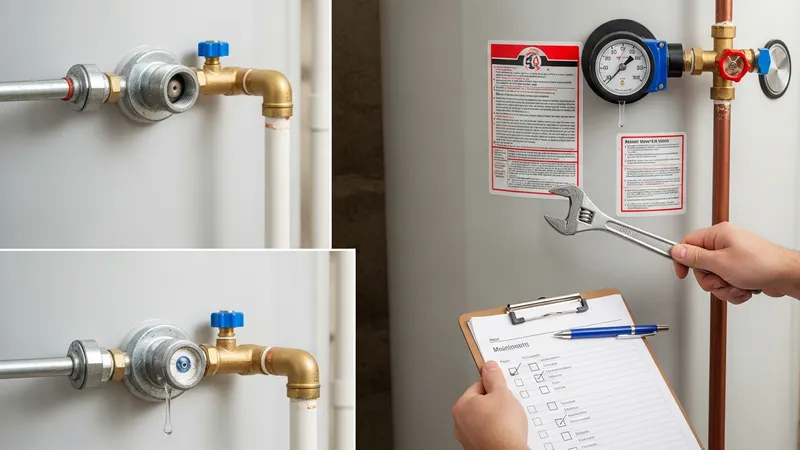
Valve and pressure management maintenance is another consideration. Checking the operation of the temperature-and-pressure relief valve ensures it functions properly if overpressure or overtemperature occurs; a sticking valve may drip or fail to open when needed. Additionally, monitoring supply pressure and ensuring expansion controls are present in closed systems can limit stress on fittings and valves. Documenting maintenance actions and observed conditions over time can help detect accelerating issues before they present as sudden leaks or loss of hot water capacity.
When flushing or servicing, consider safety and sequencing to avoid unintended outcomes. Draining a tank requires adequate drain capacity and awareness of water temperature; in systems with electrical elements, power should typically be isolated to avoid element burnout when the tank is empty. Reassembly should ensure correct torque on fittings and proper seating of seals. For those less familiar with these procedures, understanding the typical steps and common pitfalls assists in communicating effectively with a technician or in performing basic maintenance with appropriate caution.
Maintenance can extend component life but may not reverse advanced degradation. Heavy sediment load or severe corrosion may have already compromised elements or the tank shell, and maintenance in such cases may improve short-term performance without addressing the fundamental failure. Recognizing the limits of maintenance—by noting recurrent leaks, frequent valve discharge, or repeated element replacements—helps frame longer-term planning for more comprehensive repair or replacement when appropriate.