
Internet Security Companies: Core Services And Cyber Defense Capabilities

Governance, Compliance, and Long-Term Capability Development
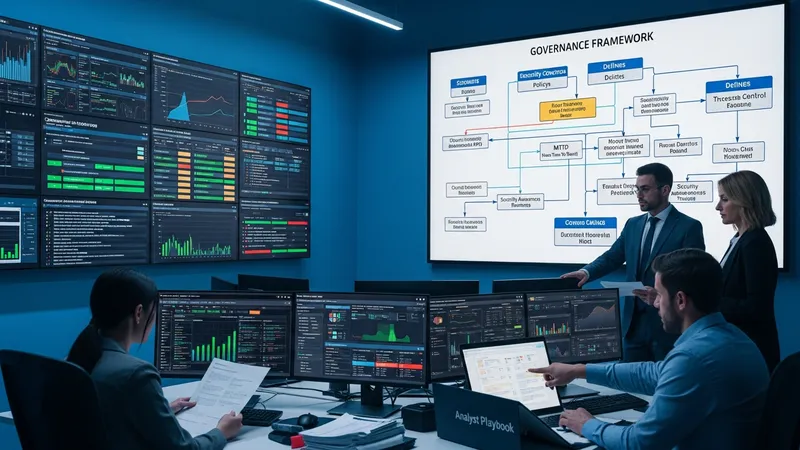
Governance frameworks provide structure for allocating responsibility for security controls and oversight. Common frameworks map controls to policies, roles, and performance indicators. Compliance-related activities may include evidence collection, control testing, and gap remediation aligned to regulatory or industry standards. Providers often support evidence collection through logging practices and reporting templates, which can reduce the administrative burden of audits when properly implemented.
Long-term capability development often includes training, documentation, and iterative updates to tool configurations. Training may cover analyst playbooks, secure development practices, or user awareness content. Documentation of architecture, monitoring coverage, and escalation paths supports operational continuity and can accelerate onboarding of new staff or vendors. Capability roadmaps frequently prioritize visibility, detection effectiveness, and automation milestones over multi-year spans.
Vendor management and third-party risk are relevant since many environments rely on outsourced infrastructure or software. Assessing upstream provider security controls, contractual protections, and incident notification terms helps clarify shared responsibilities. Organizations often track third-party risk through questionnaires, attestations, and periodic re-evaluations to ensure alignment with their own security and compliance posture.
Measuring maturity can combine qualitative and quantitative inputs, such as control coverage matrices and incident performance metrics. Maturity assessments may be used to set realistic improvement targets and to justify investments in staffing, tooling, or process changes. Over time, organizations typically seek a balance between preventative controls and detection/response capabilities so that investments reflect evolving risk and business requirements.