
Oncology Research And Treatment: Understanding Core Concepts And Care Pathways

Diagnostic and staging processes within oncology research and treatment pathways
Diagnostic workups in oncology typically combine clinical assessment, imaging, tissue biopsy, and laboratory testing to establish tumour type and stage. Imaging modalities offer complementary information: cross-sectional imaging defines anatomy, metabolic imaging can indicate activity, and specialised techniques may characterise vascular or functional aspects. Pathology provides histologic classification and grading, while molecular assays may identify actionable alterations or prognostic markers. Diagnostic accuracy depends on sampling technique, assay sensitivity, and interpretive expertise, and these factors can influence subsequent pathway decisions.
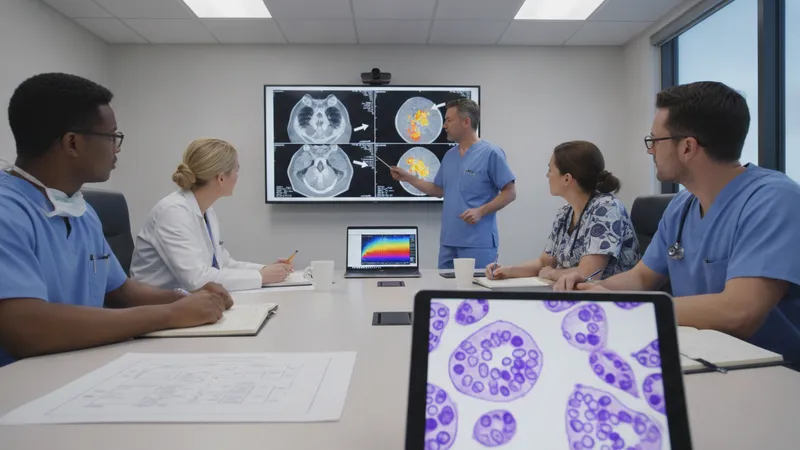
Staging systems are commonly used to summarise disease extent and to stratify patients for treatment and prognosis. Staging integrates tumour size, nodal involvement, and presence of distant spread, and some systems incorporate molecular or histologic features. Accurate staging may require coordinated scheduling of tests and multidisciplinary review to ensure completeness. In research settings, standardised staging criteria enable comparability across studies, while in clinical practice staging information often informs immediate treatment planning and selection of supportive services.
Quality assurance in diagnostic processes is a practical consideration for both clinical services and research. Pathology peer review, radiology second reads, and standardised reporting templates can reduce variability in interpretation. Laboratory accreditation and proficiency testing may document assay performance for molecular tests. Coordinating diagnostic results into electronic health records and tumour registries can help track care pathways and facilitate outcome measurement, though interoperability and data governance remain common operational challenges.
Timing and sequencing of diagnostic steps affect care pathways and trial enrollment. Rapid diagnostic pathways may shorten time to treatment initiation for selected patients, while staged assessment can allow for multidisciplinary planning. In research contexts, timely availability of biomarker results may determine eligibility for targeted studies. Considerations include logistics for sample transport, availability of specialised assays, and systems for communicating results to treating teams, all of which can influence pathway efficiency and patient experience.