
Pharmacy POS Systems: How Integrated Software Supports Dispensing And Sales

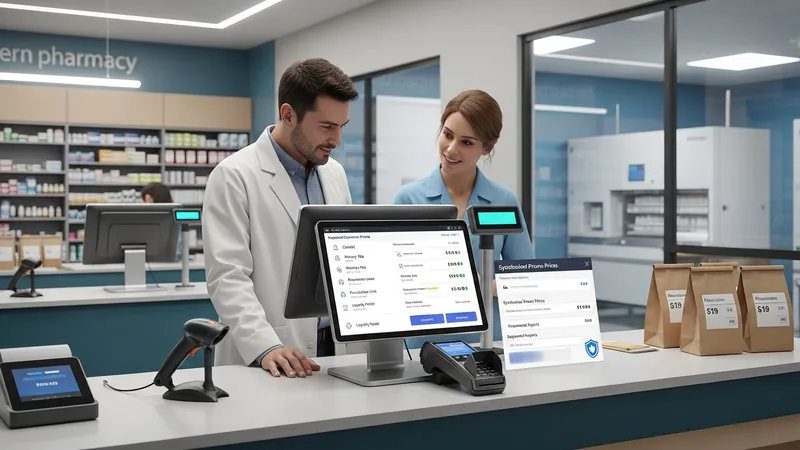
Workflow Integration and Retail Operations in Pharmacy POS Systems
Workflow integration addresses how pharmacy POS systems support coordinated tasks across front-store retail and the dispensary. Typical integrations include shared customer profiles that consolidate purchase histories and prescription records, and synchronized pricing so that promotions on over-the-counter items are reflected at checkout. When workflows are designed to align with system capabilities, staff may process prescriptions and retail sales with fewer context switches, which can contribute to efficiency in routine operations.
Customer records within an integrated POS may include contact details, allergy flags, insurance information, and purchase histories. These records can support services such as refill reminders or loyalty programs when managed under privacy-compliant policies. Linking purchases to a single customer profile may also help with returns and refunds, maintaining a clear transactional history. Systems often allow segmentation of customer data for reporting while safeguarding private health details according to applicable privacy standards.
Payment processing in pharmacy POS contexts often needs to handle multiple tender types and split payments, including cash, card, and insurance adjudication. Integrated systems can capture co-pay amounts, process third-party payments, and record declined transactions while maintaining a clear trail for reconciliation. Payment modules may also support deferred charges for prior-authorized fills or layaway-like arrangements, although operational policies determine how such features are applied.
Implementing integrated POS systems can involve change management considerations such as staff training, process mapping, and phased rollouts. It may be useful to pilot new workflows in limited settings to observe interaction patterns and refine procedures. Ongoing evaluation of system logs and user feedback can guide incremental improvements to match practical pharmacy operations. These considerations help align technical capabilities with day-to-day dispensing and retail sales activities without implying a single prescriptive approach.