
Roofers Near Me: Understanding Common Roofing Materials And Service Options

Material selection factors and contractor evaluation considerations for local roofing projects
Selecting an appropriate material typically involves balancing durability, weight, aesthetics, and maintenance expectations. Durability estimates may vary by manufacturer and by local climate patterns; therefore, material choice often reflects typical regional performance rather than universal claims. Weight considerations can influence whether structural reinforcement is recommended. Aesthetics and local building codes or neighborhood guidelines may also play a role. These selection factors are commonly described by contractors as considerations that can shape long-term upkeep and inspection schedules.
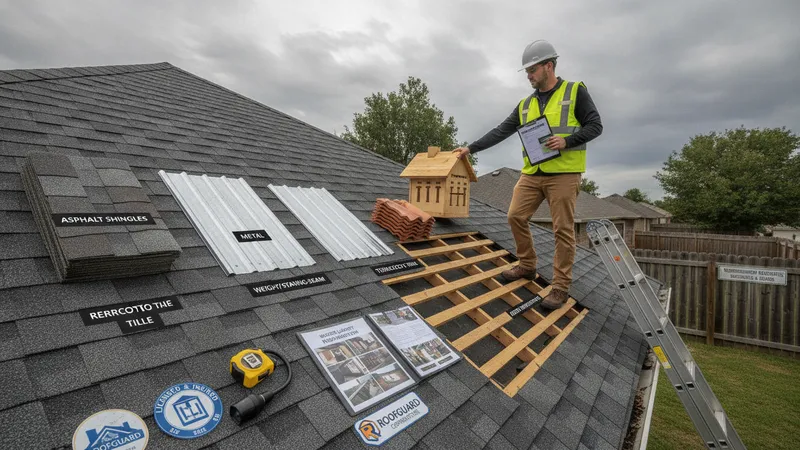
When evaluating contractors, it may be informative to review how they describe their service scope, warranty handling, and inspection follow-up. Neutral evidence such as past project examples, references, or clearly written scope documents can help clarify what tasks are included. License and insurance status may also be relevant practical factors in many jurisdictions. Asking how a contractor documents condition findings and proposed work tends to support clearer expectations without implying any endorsement of specific providers.
Cost-related considerations often include material choices, expected labor intensity, roof complexity, and site access. Estimates may be presented as ranges with explanations of what is included and what variables could alter the figure. For larger or older roofs, contractors commonly note the possibility of discovering additional issues once old materials are removed, and they may outline how such discoveries would be addressed. These transparent framing practices typically help property owners plan for contingencies in a measured way.
Finally, ongoing maintenance planning is frequently described as part of responsible roof ownership rather than an obligatory expense. Suggested inspection intervals, seasonal checks after major weather, and simple maintenance actions—such as clearing gutters—are commonly presented as considerations that may extend functional life. Framing these items as potential practices rather than requirements can assist in setting realistic expectations about how different materials and service options interact over time.