
Telehealth Platforms For Therapists: Key Features, Functions, And Clinical Use

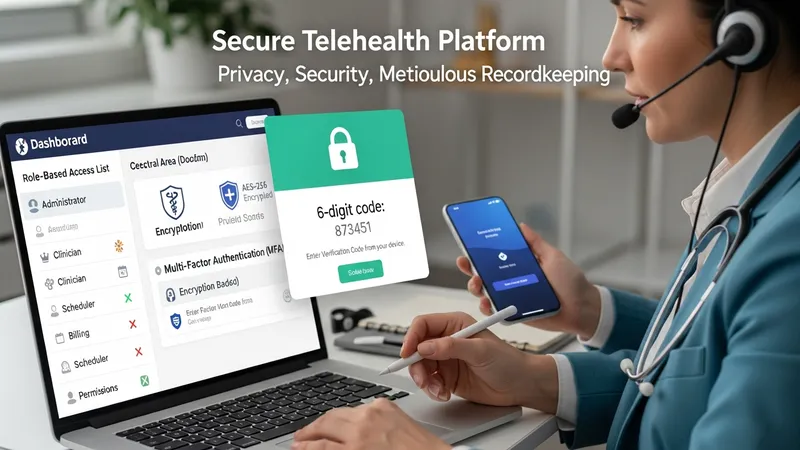
Privacy, security, and recordkeeping considerations for remote practice systems
Security and privacy practices usually combine technical, administrative, and contractual measures. Technical measures may include end-to-end or transport-layer encryption, multi-factor authentication for clinician accounts, and encrypted data storage. Administrative measures often cover role-based access controls, routine account reviews, and staff training on data handling. Contractual measures can include data processing agreements that clarify responsibilities for data protection. Platforms commonly document these elements in security whitepapers or compliance pages that practitioners may review to assess alignment with professional obligations.
Recordkeeping and data retention options vary across systems. Some platforms provide configurable retention periods, exportable archives of client notes, and audit trails showing access events. Others may only offer limited export capabilities, which can influence choices where long-term record access or jurisdictional data residency requirements matter. Clinicians often consider whether the platform supports standard note export formats or can generate legally admissible records in line with local regulations.
Consent and emergency planning are practical privacy-adjacent topics. Systems may include templates for documenting informed consent specific to remote sessions, disclosures about potential technical limitations, and client preferences for contact methods. Emergency procedures—such as collecting local emergency contact information and clarifying crisis response protocols—are often integrated into intake workflows or clinician checklists. Clear documentation of these processes can assist clinicians in demonstrating that remote care protocols were followed.
Third-party services and vendor risk may also be relevant. Platforms that rely on external cloud providers, analytics tools, or payment processors typically disclose subprocessors and data flow diagrams. Practitioners may evaluate vendor transparency, data minimization practices, and whether vendors provide mechanisms to limit data use for nonclinical purposes. Where privacy laws apply, contractual clauses and data handling policies can be critical to assess rather than relying solely on marketing claims.