
Wastewater Recycling: Key Processes And Treatment Stages Explained

Wastewater Recycling: Water Quality Monitoring, Reuse Applications and Sludge Management
Water quality monitoring is central to any reuse program and typically targets parameters linked to the intended application. Common measures include biochemical oxygen demand (BOD) or chemical oxygen demand (COD), total suspended solids (TSS), turbidity, nutrient concentrations, specific conductance, and indicators of microbial presence such as fecal coliforms or E. coli. Analytical frequency and limits are usually set according to regulatory frameworks or user requirements. Data from monitoring programs can inform operational adjustments and demonstrate ongoing compliance for reuse stakeholders.
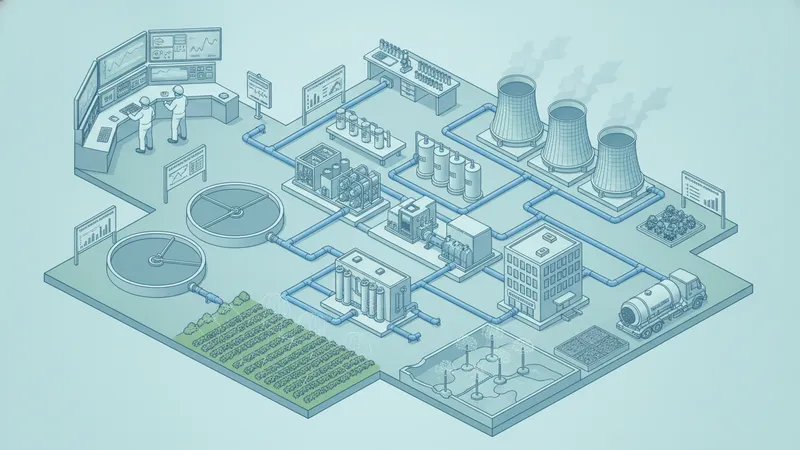
Reuse applications commonly fall into categories such as landscape irrigation, agricultural reuse, industrial process water, toilet flushing, and managed aquifer recharge. Each application generally carries different quality expectations; for example, irrigation may tolerate higher nutrient levels while potable reuse requires extensive multi-barrier treatment and monitoring. Planning professionals often match treatment trains to reuse end-points, evaluating trade-offs between treatment cost, resource recovery potential and regulatory constraints. Risk management and public health safeguards are typically central considerations in these assessments.
Sludge or biosolids management is an integral component of the recycling lifecycle. Dewatering, stabilization (aerobic or anaerobic digestion), composting and thermal processes are among the options used to reduce volume and stabilize organics. Many systems consider energy recovery from anaerobic digestion as a means to offset operational energy demands, and drying or pelletizing can facilitate beneficial reuse where regulations and market conditions permit. Selection among sludge pathways often reflects local disposal options, regulatory requirements and potential for resource recovery.
Final system design and operation commonly emphasize adaptability and monitoring-driven decision making. Seasonal variability, changes in influent composition and evolving reuse needs may necessitate operational changes or phased upgrades. Embedding robust monitoring, routine maintenance schedules and contingency planning into project implementation can support long-term serviceability. Careful documentation of performance and transparent reporting are often used to maintain stakeholder confidence and meet regulatory expectations for reclaimed water use.