
Windows Workflow Automation: Streamlining Routine Tasks And Processes

Monitoring, maintenance, and governance of Windows automation workflows
Effective monitoring typically combines native Windows logs, application-level logs, and central observability tools. Task Scheduler history and Windows Event Logs provide baseline information about scheduled executions and system events. Automation flows often produce their own structured logs with run identifiers and status codes, which can be ingested into log analysis tools or SIEM systems for correlation. Alerting thresholds should be conservative and focused on actionable failures to reduce alert fatigue among operators.
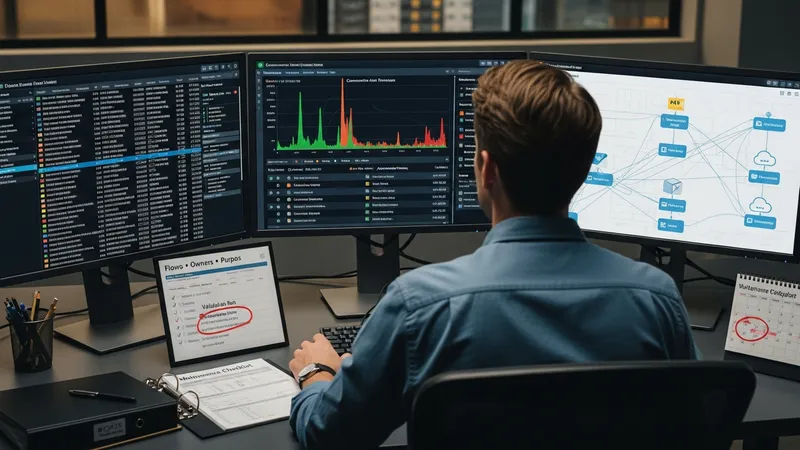
Maintenance practices include periodic reviews, dependency checks, and patch management for the hosts running automation. Scripts and flows may depend on libraries or external endpoints; tracking these dependencies and testing after operating system updates reduces the chance of unexpected breakage. Documentation that lists current flows, their owners, and purpose helps teams retire unused automations and prioritize updates. Scheduled validation runs can detect drift in external inputs or changes in numbering and file formats that would otherwise cause silent failures.
Governance covers policies for who can create, modify, and approve automation. Role separation—distinct roles for development, review, and operational promotion—tends to improve oversight. Requiring code reviews or change approvals for script changes, and storing artifacts in version control with clear commit messages, supports accountability. Additionally, retention policies for logs and audit trails should align with organizational compliance needs while balancing storage and privacy considerations.
Incident response for automation-related outages benefits from runbooks that specify how to collect diagnostic data, isolate faulty steps, and roll back recent changes. Post-incident reviews often identify opportunities to harden flows with additional validation, retries, or alerts. Over time, combining monitoring, disciplined maintenance, and governance practices can increase the predictability and transparency of automated operations in Windows environments and reduce manual oversight requirements.