
Water Heater Replacement: Key Steps In Planning And Installation

Safety, Codes, Maintenance, and Replacement Planning for Water Heater Replacement
Safety provisions commonly addressed during replacement include installation of a temperature and pressure relief (TPR) valve, proper overflow routing, and verification of relief valve discharge termination. For gas units, testing for combustion gases and leak testing of fuel connections are typical post-installation checks. Electric installations often include verifying that disconnects and protective devices function as intended. Documenting these safety checks and retaining inspection reports supports later maintenance and can provide useful records for property owners.
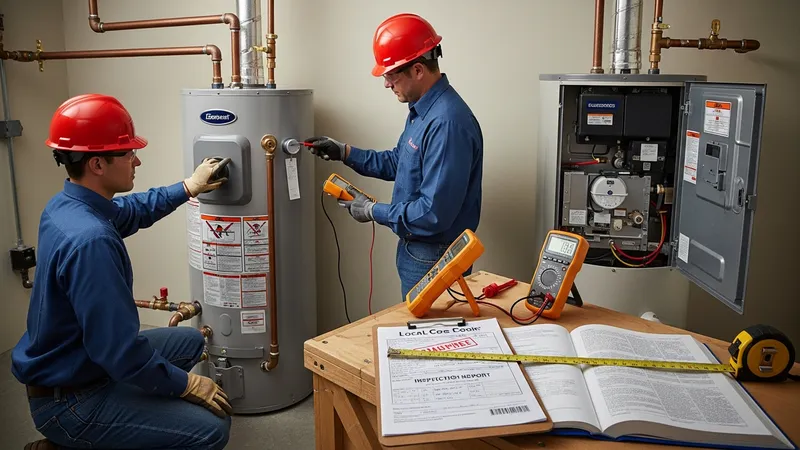
Local codes and standards frequently determine specific installation details such as required clearances, venting practices, and permitted appliance locations. Many jurisdictions require electrical, plumbing, or mechanical permits and inspections for water heater replacement. Consulting the applicable code text or local authority having jurisdiction during planning helps ensure that the scope of work aligns with permit requirements. Compliance steps may vary by municipality and are typically enforced through the permitting and inspection process.
Planned maintenance can extend useful life and maintain performance. For storage tanks, periodic draining to remove sediment and inspection or replacement of sacrificial anode rods may be suggested. Tankless systems may require occasional descaling where water hardness is high. Heat pump systems may need air-filter checks or clearance maintenance to ensure adequate airflow. Scheduling routine inspections and retaining service histories often helps identify developing issues before they necessitate emergency replacement.
End-of-life and replacement planning includes anticipating typical service lives and recognizing signs that replacement may be timely. Indicators such as recurrent leaks, significant drops in hot water delivery, visible corrosion, or frequent repair needs may signal diminished remaining life. Planning for an orderly replacement—considering equipment disposal, possible recycling, and timing around seasonal usage patterns—can reduce disruption. Maintaining documentation of product specifications and previous maintenance supports informed decisions when replacement becomes necessary.