
Water Heater Replacement: Key Steps In Planning And Installation

Installation: Plumbing, Gas, Electrical, and Venting Steps for Water Heater Replacement
Plumbing connections often require alignment of inlet, outlet, and drain lines and may involve adding shutoff valves or a drain pan with a routed discharge. When the new unit’s connections do not match the existing layout, rerouting or added fittings may be necessary. Materials such as copper, PEX, or CSST-compatible fittings should be used in accordance with local code and manufacturer guidance. Ensuring accessible shutoffs and labeling service connections is a common best-practice consideration that can facilitate future servicing.
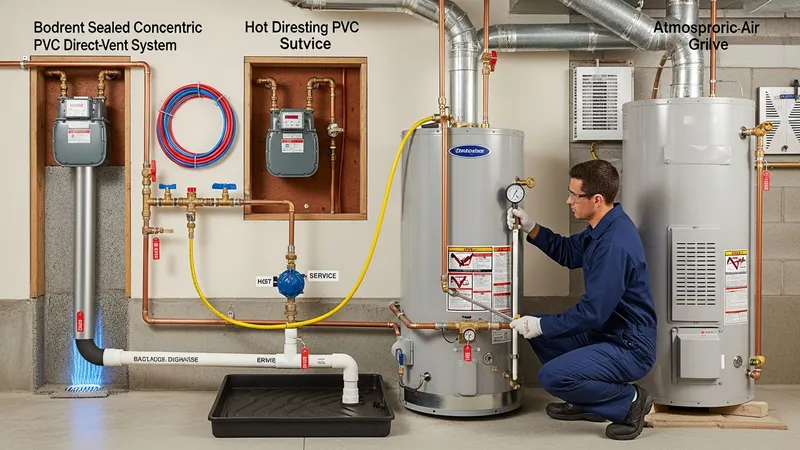
Gas installations may require verification of supply pressure, proper sizing of gas piping, and correct regulator selection. Some replacement scenarios, such as installing a larger-capacity gas-fired unit, can necessitate upsizing of gas piping or checking the gas meter supply. Venting components must be compatible with the selected appliance type; for example, sealed direct-vent systems use different materials and termination practices than conventional atmospheric vents. Proper combustion-air provisions should be confirmed to reduce incomplete combustion risks.
Electrical work for replacements can range from simple reconnects to installing dedicated circuits or upgraded service panels. Tankless electric units and heat pump systems frequently draw substantial current and may require larger conductors or dedicated breakers. Grounding, bonding, and protection devices such as GFCIs may be required where the appliance is located in wet areas. Coordination with a licensed electrician is typically advisable to verify code-compliant wiring and to obtain any required inspections.
Venting and flue integrity are important for safe operation of combustion appliances. Inspecting existing flue liners, checking for proper slope and termination height, and verifying material compatibility are common steps. For power-vent and direct-vent units, condensate management and appropriate vent materials are additional considerations. Where seismic strapping or anchoring is required—common in some seismic regions—this hardware is typically installed during the replacement to maintain compliance with local standards.